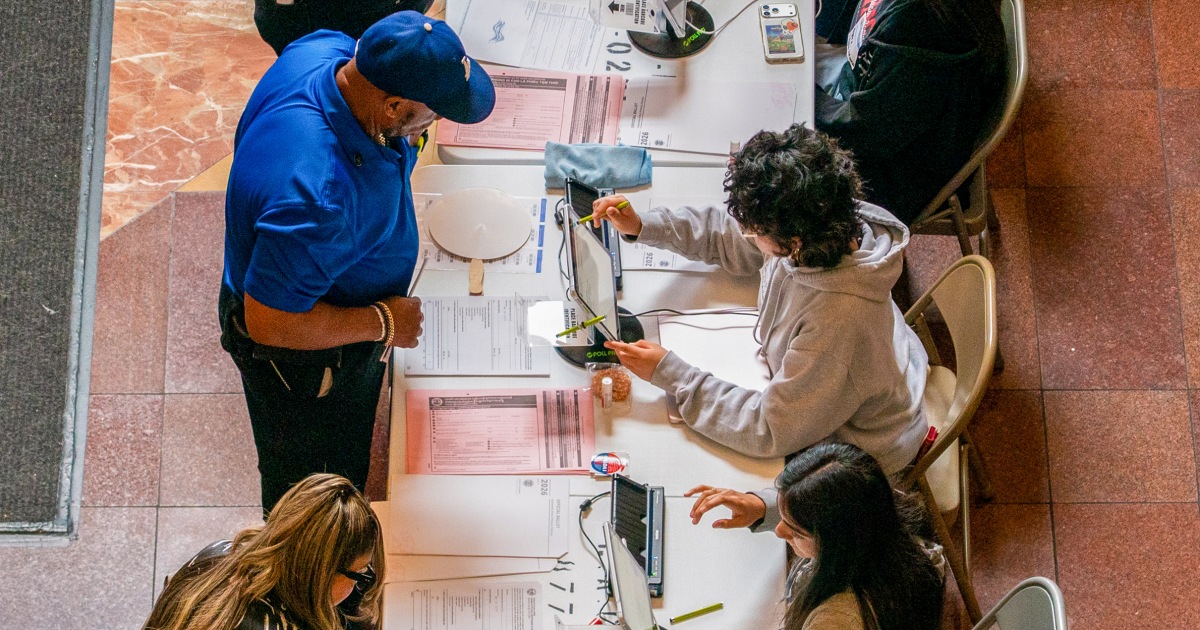
Supreme Court's Swift Rejection
The Supreme Court of the United States swiftly rejected the Trump administration's request to separate out up to 20,000 mail-in ballots in California, which officials alleged could have been submitted by noncitizens. The court's decision came as a surprise to many, given the administration's recent efforts to intervene in state election processes.
"This latest decision should put an end to the administration's attempt to disrupt California's elections through emergency court orders." - California Attorney General Rob Bonta
The court's action was notable for its speed, as it did not even seek California's input, which is customary in such cases. This swiftness led to speculation about the court's motivation and the potential implications for future election-related litigation.
Background and Context
The Trump administration's request was part of a broader strategy to challenge the validity of mail-in ballots and target alleged noncitizen voters. California officials had resisted these efforts, citing the illegality of noncitizen voting under state law and questioning the accuracy of the federal government's information.
"Trump has long claimed, without evidence, that millions of noncitizens illegally vote in U.S. elections."
The administration's claims have been met with skepticism, as experts assert that noncitizen voting is rare. Despite this, the administration has pressured states to check voters' citizenship, including through the use of a federal database, which has faced multiple setbacks.
Legal Analysis
The Supreme Court's decision to reject the Trump administration's claims was supported by the 9th U.S. Circuit Court of Appeals, which found no evidence that Congress intended the federal law barring noncitizen voting to override state election laws. This ruling reinforces the longstanding precedent against federal courts intervening in elections once they are underway.
"The court acted quickly to show its displeasure for the underlying claims and reinforce precedent." - Travis Crum, NBC News contributor and election law expert
Reactions and Implications
The court's swift rejection of the Trump administration's request has sparked a range of reactions. Some view it as a positive sign, indicating the court's independence and commitment to upholding democratic principles. Others remain skeptical, citing previous rulings and concerns about potential future decisions.
"I still don't trust SCOTUS. They blocked everything from Biden and ushered in the Trump dictatorship."
The decision also highlights the ongoing tension between federal and state election authorities, with some arguing that states should have primary responsibility for election administration.
"Good. The states are responsible for the election, not the federal government."
As the midterm elections approach, the Supreme Court's decision serves as a reminder of the complex legal and political landscape surrounding election integrity and the ongoing efforts to ensure a fair and transparent democratic process.

